
What’s Driving Billions In New Dairy Manufacturing Investments?
Billions of dollars are being invested in dairy manufacturing across the United States, with new facilities, major expansions and modernization projects taking shape throughout the industry.
According to the Wisconsin Cheese Makers Association (WCMA), approximately $11 billion has been committed to more than 50 new and expanded dairy production projects through early 2028.
That’s a significant level of investment for an industry navigating rising operating costs, workforce challenges and changing market demands.
But the most interesting part of these investments isn’t simply the amount being spent. It’s what manufacturers are investing in and what those decisions suggest about the future of dairy processing.
From expanding cheese production to developing new dairy ingredients and modernizing established facilities, the industry is preparing for opportunities that extend well beyond today’s production requirements.
Expanding Dairy Production Is Only Part of the Story
Increasing production capacity remains an important reason for investing in dairy manufacturing facilities.
As demand changes across domestic and international markets, processors must evaluate whether their existing operations can support anticipated production requirements.
In some cases, that means constructing entirely new facilities. In others, it involves expanding existing plants, adding production lines or upgrading equipment to increase output.
However, capacity isn’t the only consideration.
Manufacturers are also evaluating the types of products they want to produce, the markets they intend to serve and the capabilities their facilities will need in the years ahead.
A facility designed around one product category may require different processing, handling or packaging capabilities when introducing additional products.
Similarly, a plant preparing to serve new markets may need to accommodate different product specifications, packaging configurations or production volumes.
These considerations help explain why major dairy investments often involve more than simply adding equipment to increase output.
They’re also about preparing facilities for future manufacturing opportunities.
Changing Dairy Markets Are Influencing Investment Decisions
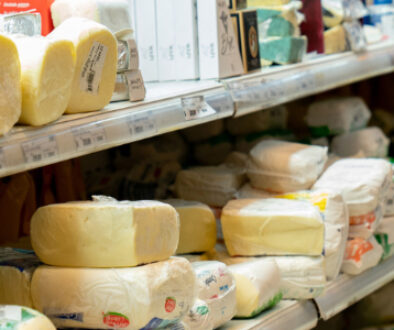
Dairy manufacturers are responding to opportunities across several product categories, including cheese, cultured dairy products and specialized dairy ingredients.
Interest in protein-rich foods continues to influence product development, while demand for different cheese formats and applications creates opportunities across retail, foodservice and ingredient markets.
These developments are encouraging manufacturers to evaluate where additional processing capabilities may support their long-term business strategies.
For some operations, that may involve investing in equipment to produce different cheese varieties or formats. Others may prioritize dairy ingredient processing, cultured products or additional packaging capabilities.
The opportunities also extend beyond the domestic market.
International demand for U.S. dairy products remains an important consideration for processors evaluating production capacity and future investments.
Serving different markets can introduce additional requirements related to product specifications, packaging, distribution and production planning.
Rather than following one industry-wide approach, manufacturers are making investments based on the products and markets that align with their individual operations.
That variety is part of what makes the current level of dairy manufacturing investment noteworthy.
Modernizing Existing Dairy Facilities Remains a Priority
While new plant construction often attracts attention, substantial investments are also being made in established dairy manufacturing facilities.
Many processors are evaluating opportunities to update equipment, expand production areas and improve infrastructure while continuing to operate within existing locations.
Modernization projects can address a range of needs, from replacing aging equipment to incorporating new processing technologies or supporting additional production requirements.
For example, an established cheese manufacturing facility may need to evaluate whether its current layout can accommodate additional processing equipment or new downstream handling operations.
Other facilities may be updating utilities, water systems, refrigeration or wastewater treatment infrastructure to support changes in production.
These projects can be complex because new equipment must often be incorporated into buildings and production systems that were designed around earlier requirements.
Space limitations, existing equipment connections and production schedules can all influence how improvements are planned and implemented.
In many cases, modernization requires careful coordination between equipment manufacturers, plant engineers and operations teams.
The goal isn’t necessarily to replace everything. It’s to determine which improvements will provide the greatest value while supporting the facility’s long-term needs.
Automation and Workforce Development Are Evolving Together
Automation continues to play an important role in dairy manufacturing investments.
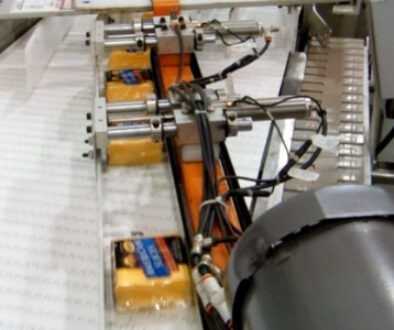
Across the industry, manufacturers are incorporating automated systems into processing, conveying, product handling and packaging operations.
These technologies can support consistent product movement, reduce certain repetitive or physically demanding tasks and help facilities manage production requirements.
However, investments in automation also create new considerations for workforce development.
Modern production equipment requires employees with the skills to operate, maintain and troubleshoot increasingly sophisticated systems.
That may involve additional training for existing employees, new technical positions or partnerships with educational institutions.
The relationship between equipment and workforce planning is particularly important when manufacturers are introducing technologies that differ substantially from their current operations.
A successful equipment investment depends not only on what a system can do, but also on the people responsible for keeping it operating effectively.
As dairy facilities continue to modernize, technical training and employee development will remain important parts of the investment process.
Supporting Infrastructure Is a Major Part of Dairy Manufacturing Investment
When discussing dairy plant expansions, attention often goes to new production equipment and increased manufacturing capacity.
But some of the most important investments happen behind the scenes.
Water systems, utilities, refrigeration, wastewater treatment and other supporting infrastructure are essential to dairy manufacturing operations.
Increasing production capacity can place additional demands on these systems, particularly when facilities are processing greater volumes or introducing new production methods.
For example, adding processing equipment may require additional utility capacity, changes to water management or modifications to cleaning and sanitation systems.
New production lines may also affect how ingredients, products and packaging materials move throughout a facility.
These supporting requirements can influence project costs, construction timelines and equipment selection.
For manufacturers planning major expansions, evaluating infrastructure alongside production equipment helps provide a more complete understanding of the investment.
It also reinforces an important reality of dairy manufacturing: increasing production capabilities often requires improvements across several interconnected systems.
Wisconsin Continues to Play an Important Role in Dairy Manufacturing
Wisconsin has a long history of dairy manufacturing, supported by generations of cheesemakers, processors, equipment manufacturers and skilled industry professionals.
Today, that manufacturing foundation continues to evolve.
The state remains an important center for cheese production, dairy processing technology and equipment manufacturing, with established facilities and new investments contributing to the industry’s development.
Wisconsin’s dairy manufacturing network also includes businesses specializing in engineering, fabrication, automation, packaging and technical services.
That concentration of experience provides a strong foundation for manufacturers evaluating new equipment and production capabilities.
For companies like HART, which has been designing and manufacturing food processing equipment in Green Bay for more than 50 years, it’s an industry we’re proud to be part of.
As dairy manufacturing continues to develop across Wisconsin and the United States, the combination of industry knowledge, technical capabilities and manufacturing experience will remain valuable.
What Do These Investments Tell Us About the Future of Dairy Manufacturing?
The billions being invested in dairy manufacturing point to an industry preparing for change in several different ways.
Some processors are expanding capacity to serve established markets. Others are developing capabilities for new products, modernizing existing facilities or investing in technologies that support their long-term operations.
The projects vary in size and purpose, but they reflect several common priorities: meeting market demand, maintaining competitive operations, developing manufacturing capabilities and preparing for future opportunities.
Not every dairy manufacturer will make the same investments or follow the same growth strategy. Decisions will continue to depend on individual products, markets, facilities and business objectives.
Still, the scale of current investment demonstrates the importance manufacturers are placing on the future of dairy processing.
And as facilities expand and evolve, equipment design, engineering and manufacturing will continue to play an important role in supporting those changes.
Supporting the Future of Dairy Manufacturing
At HART Design & Manufacturing, we’ve spent more than 50 years designing and building equipment for food and dairy manufacturers.
Our work includes cheese processing equipment, conveying, robotic product handling, automated loading and packaging applications, with solutions developed around the specific needs of each operation.
As dairy manufacturers continue investing in new facilities and modernizing existing ones, we’re proud to contribute to an industry with a strong manufacturing heritage and an exciting future.
Explore HART’s equipment capabilities or contact our team to discuss your next equipment project.