How Changing Eating Occasions Are Shaping Dairy Product Development
How consumers eat can be just as important as what they eat. Traditional meals remain part of everyday life, but snacking, grab-and-go options, smaller portions, shared foods and other eating occasions are giving food and dairy manufacturers more opportunities to think differently about product development.
Nutrition and functional benefits remain important, but flavor, enjoyment and convenience also influence how consumers choose foods. For dairy processors, responding to those preferences can involve more than creating a new flavor or recipe. Portion size, product format, packaging, production scheduling and downstream handling can all become part of the conversation as a new product moves from concept to commercial production.
Key Takeaways
- Eating occasions can influence dairy product formats, portion sizes, packaging and applications.
- Convenience does not necessarily mean sacrificing flavor, enjoyment or nutritional value.
- Expanding a product portfolio can create operational considerations involving scheduling, ingredient handling, changeovers and packaging.
- Manufacturers should consider how a new product fits into existing production before adding another SKU.
- Portioning, packaging and product handling requirements can influence equipment selection and line design.
- Involving production, maintenance and packaging teams earlier in product development can help identify potential manufacturing challenges before a new product reaches commercial production.
Food Is Serving More Than Traditional Mealtimes
Breakfast, lunch and dinner are no longer the only occasions food manufacturers consider when developing products.
A consumer might want something quick between meetings, a portable snack for an afternoon commute, an easy product to serve at a gathering or a convenient ingredient that reduces preparation time at home. The same person may prioritize nutrition during one eating occasion and flavor or indulgence during another.
That creates a broad range of opportunities for food and dairy manufacturers.
Recent industry reporting around the refrigerated aisle has highlighted convenience, flavor-forward products, protein, functionality and grab-and-go formats among the factors influencing product development. Rather than pointing to one dominant consumer preference, these developments suggest manufacturers are serving consumers who may value several attributes at once.
For dairy, that can be particularly important because many products already lend themselves to multiple eating occasions.
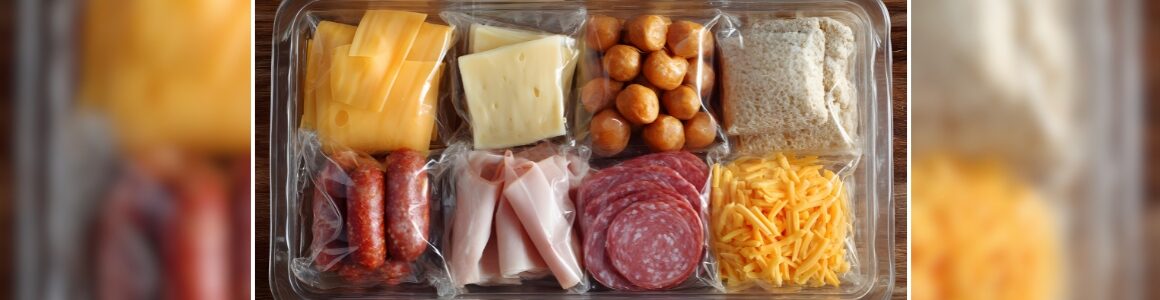
Cheese can be a snack, ingredient, topping or part of a shared platter. Cream cheese can be packaged for individual retail use or larger foodservice applications. Shredded and diced cheeses serve different needs than slices, wedges, bars or chunks. Even when the underlying dairy product is familiar, changing the way it is portioned, presented or packaged can create a different consumer experience.
Convenience Can Take Many Forms
Convenience is sometimes treated as a product category, but for manufacturers it can mean many different things.
For one product, convenience might mean a smaller portion that can be eaten without preparation. For another, it could mean cheese that is already shredded, diced or sliced for faster meal preparation. A foodservice customer may define convenience as a product that arrives in a specific format that reduces labor in the kitchen.
These differences matter because product format eventually becomes a production requirement.
A large block of cheese intended for further processing presents different equipment needs than finished wedges or snack-sized portions. Shredded cheese requires another process entirely. Products intended for retail may also have different handling and packaging needs than those destined for institutional or foodservice customers.
This is where product development and manufacturing begin to overlap.
Before introducing a new format, processors may need to consider the desired finished dimensions, portion control, expected production volume, packaging configuration and how the product will move between each stage of the line.
A seemingly simple consumer request such as “make this easier to snack on” can eventually influence multiple production decisions.
Flavor And Enjoyment Still Matter
Food trends frequently focus on nutrition, protein, reduced sugar and other functional benefits. Those attributes remain relevant, but they are not the only reasons people choose food.
Flavor, familiarity, enjoyment and convenience can also influence purchasing decisions.
For manufacturers, that means product development does not necessarily need to choose between functionality and enjoyment. A dairy product may satisfy several consumer priorities at once.
A cheese snack can offer protein while also providing an appealing flavor and convenient portion. A refrigerated dairy product may combine functional benefits with an indulgent texture. An established cheese variety can be introduced in a different cut or package that better suits a particular eating occasion.
This creates room for innovation without requiring manufacturers to reinvent the underlying product every time consumer preferences shift.
It also means that trends should be evaluated carefully.
A viral flavor combination may generate attention for several weeks. A broader preference for convenient snacking may represent a longer-lasting behavioral shift. Manufacturers deciding whether to develop a new product have to distinguish between short-term excitement and opportunities that may justify sustained production.
When A Consumer Trend Becomes A Production Decision
A successful product idea eventually has to work on the production floor.
That is where the questions become more practical.
Can the new product be made with existing equipment? Does it require a different portion or cut? Will another ingredient need to be staged or handled differently? How long will the production run be? Will packaging need to change? Where will the new SKU fit into the existing schedule?
Adding another product to a portfolio can affect much more than the time spent manufacturing that specific item.
A new flavor may require additional ingredient handling and sanitation procedures. A different package size could affect filling or downstream handling. A new cheese portion may require different cutting parameters. Several shorter runs can create more changeovers than one long production run.
None of these considerations automatically make a new product impractical. They simply demonstrate why product development should include production planning early in the process.
The earlier manufacturing teams understand what a new concept will require, the easier it becomes to evaluate how that product could fit into the facility.
Product Portfolio Expansion Requires Planning
More SKUs can provide manufacturers with opportunities to serve different customers and eating occasions, but a larger portfolio can also create additional production complexity.
One of the most important questions is not simply whether a facility can manufacture another product. It is how efficiently that product fits alongside everything else the plant already produces.
Consider a processor adding several new cheese portion sizes.
The total amount of cheese produced may not change dramatically, but the production schedule could. Different cuts may require equipment adjustments or tooling changes. Finished portions may move into different packaging configurations. Run lengths may become shorter. More transitions between products can place greater importance on changeover planning.
Production scheduling becomes part of product strategy.
Manufacturers may need to determine which products can be grouped efficiently, how long each run should be and when sanitation or equipment changes are necessary. This becomes especially important when demand varies significantly among SKUs.
The objective is not simply to offer the largest possible number of products. It is to build a portfolio that can be produced effectively while serving meaningful market opportunities.
Portioning Can Change The Product Experience
For cheese manufacturers, portioning provides a clear example of how production decisions connect with consumer use.
A wheel, loaf or large block may eventually become wedges, bars, chunks or snack-sized formats depending on how the product will be sold and consumed.
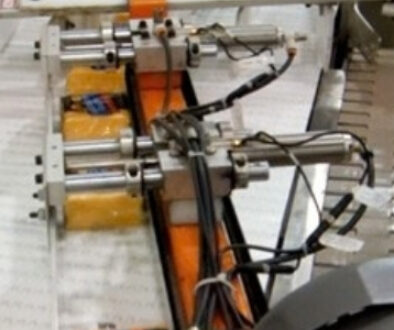
Portioning decisions often become an important part of product development. Whether a processor is producing wedges, bars, chunks or snack-sized formats, the required portion can influence equipment selection, line design and production efficiency.
HART works with cheese processors on cutting and portioning applications ranging from standard finished products to customer-specific requirements.
Sometimes innovation occurs through formulation. Other times, the opportunity may come from changing how an existing product is prepared for its final application.
A different portion can support a different eating occasion without requiring the manufacturer to create an entirely new cheese.
Packaging Is Part Of The Product Decision
Product format and packaging are closely connected.
If a dairy manufacturer changes portion size, the existing package may no longer be appropriate. A product designed for individual snacking will likely require different packaging than one developed for foodservice. Retail and institutional products may also require different filling volumes and downstream handling.
Packaging considerations often extend beyond the package itself. Changes in portion size, retail format or foodservice requirements can affect filling, product handling, case packing and overall line flow. Evaluating these downstream impacts early can help manufacturers avoid unexpected production challenges.
A new format needs to move effectively from processing or portioning into packaging and then through the remainder of the production line. When manufacturers evaluate product and packaging changes together, they can better understand how a new concept will affect the complete process.
Changeovers Deserve Attention Early
Adding product variety can make changeover efficiency more important.
A facility that produces one item for long periods has different scheduling needs than a plant running several products, portion sizes or package configurations throughout a week.
Each transition can involve time.
Depending on the application, a changeover may require tooling adjustments, equipment settings, ingredient changes, sanitation procedures or packaging modifications. Even small amounts of additional time can add up when changeovers become more frequent.
That makes changeover planning worth considering during product development rather than after a product has already been approved for launch.
Manufacturers evaluating new products may benefit from asking:
- What needs to change between this product and the previous run?
- How much time will that transition require?
- Can similar products be scheduled together?
- Does the equipment allow repeatable setup changes?
- Will additional product variety affect sanitation scheduling?
- How will packaging changes affect downstream operations?
Questions like these can help manufacturers better understand the full production impact of product portfolio expansion.
Connecting Consumer Trends To Production
Many product innovations fail to account for manufacturing realities until late in the development process. Processors that involve production, maintenance and packaging stakeholders earlier are often better positioned to evaluate whether a new format can be produced efficiently, consistently and at scale.
That early collaboration can also help identify practical considerations before significant time and resources have been invested in a concept. Portioning requirements, packaging changes, sanitation needs, available capacity and production scheduling may all influence how easily a new product can move from development into commercial production.
Consumer trends can provide useful direction, but not every trend will make sense for every operation. Looking at both the market opportunity and the manufacturing requirements can help processors determine which ideas align with their existing capabilities, production goals and long-term plans.
What This Means For Dairy And Cheese Plants
Product Portfolio Planning: New eating occasions may create opportunities for additional products, but manufacturers should consider how each SKU fits into the broader portfolio and production schedule.
Portioning And Format: A change in how consumers use a product can create demand for different cuts, sizes or finished formats.
Changeover Efficiency: More SKUs can mean more transitions between production runs, making setup and sanitation considerations increasingly important.
Packaging Integration: Changes to product size or format may affect filling, product handling, case packing and other downstream processes.
Production Scheduling: New products need to fit alongside existing demand, available production time and sanitation requirements.
Cross-Functional Planning: Involving production, maintenance and packaging teams earlier can help manufacturers identify potential challenges before a product reaches commercial production.
Planning Your Next Dairy Processing Project
Changing consumer preferences can create new opportunities for dairy and cheese manufacturers, but bringing a new product or format to market requires production systems capable of supporting it.
At HART, we work with food and dairy processors on standard and customized equipment for cheese cutting, filling, shredding and dicing, product handling, robotics and integrated production lines. Our team can help evaluate equipment needs based on specific products, production requirements and future goals.
Contact HART Design & Manufacturing to discuss your food or dairy processing application.
Keep Up To Date On Cheese Industry News
Find all of HART Design & Manufacturing’s current industry news here.